
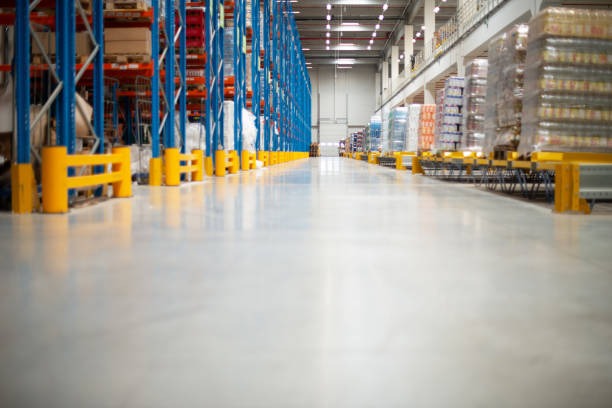
Industrial facilities rely on strong infrastructure to maintain smooth operations and protect valuable equipment. Flooring plays a critical role because it supports constant movement, heavy loads, and demanding environmental conditions. Businesses looking to improve long-term efficiency often invest in dependable high traffic flooring industrial systems designed for modern warehouses and production spaces.
Poor flooring conditions can create safety hazards, increase maintenance expenses, and interrupt workflow. Cracks, uneven surfaces, and dust buildup affect both machinery performance and worker productivity. For this reason, industries now prefer advanced flooring systems that deliver strength, cleanliness, and long-lasting reliability.
Industrial Flooring Challenges in Busy Facilities
Warehouses face continuous pressure from forklifts, storage racks, loading equipment, and large inventory movement. Traditional concrete surfaces may weaken over time due to repetitive impact and heavy traffic exposure.
A high traffic flooring industrial installation helps prevent surface deterioration and supports smoother transportation within the facility. Durable flooring systems also reduce repair frequency, allowing operations to continue without unnecessary downtime.
Moisture and chemical exposure represent additional concerns in industrial settings. Spills can damage untreated surfaces and create unsafe conditions for workers. Modern flooring technologies are specifically engineered to resist these environmental challenges effectively.
Benefits of Advanced Warehouse Flooring Systems
Industrial flooring solutions provide several operational advantages beyond simple durability. One of the most important benefits is improved workplace safety. Slip-resistant finishes help reduce accidents caused by wet or oily surfaces.
Many companies now prefer high traffic warehouse floor systems because they offer easy maintenance and superior performance under constant use. Seamless flooring surfaces also simplify cleaning procedures and improve hygiene standards.
Enhanced light reflection is another practical advantage. Polished and coated floors increase brightness inside warehouses, which can lower lighting costs and improve visibility for employees and machinery operators.
Strong flooring systems additionally protect expensive equipment from vibration-related damage. Stable surfaces contribute to better machinery performance and more efficient transportation operations.
Popular Flooring Options for Industrial Spaces
Epoxy coatings remain among the most widely used industrial flooring materials. They provide excellent resistance against abrasion, chemicals, and impact damage. Their smooth finish also creates a professional and organized appearance within the warehouse.
Polyurethane flooring systems are suitable for industries exposed to temperature fluctuations or thermal shock. These systems maintain flexibility while offering impressive durability in demanding environments.
Facilities seeking economical solutions often choose polished concrete because it combines strength with minimal maintenance requirements. Many businesses install high traffic warehouse floor systems using polished concrete to improve operational efficiency without excessive costs.
Some industries also incorporate specialized anti-static flooring to protect sensitive electronic equipment and manufacturing processes.

Factors to Consider Before Installation
Choosing the right industrial flooring requires careful planning and professional assessment. Traffic volume, equipment weight, moisture levels, and operational activities all influence flooring performance.
Businesses considering high traffic flooring industrial applications should evaluate long-term maintenance needs in addition to initial installation expenses. Investing in higher-quality materials often leads to significant savings over time through reduced repairs and better durability.
Surface preparation is another critical factor. Proper preparation ensures strong adhesion and prevents future peeling or cracking. Professional installation teams use specialized techniques to create long-lasting flooring systems that withstand industrial demands.
Color selection and surface texture may also influence functionality. Bright surfaces improve visibility, while textured finishes enhance slip resistance in hazardous work areas.
Maintenance Strategies for Maximum Durability
Industrial flooring lasts longer when supported by consistent maintenance practices. Regular sweeping and cleaning prevent abrasive particles from damaging the surface. Prompt removal of chemical spills also helps maintain flooring integrity.
Businesses using high traffic warehouse floor systems should schedule periodic inspections to identify signs of wear early. Timely repairs reduce the risk of major structural damage and help maintain operational safety.
Protective coatings may require occasional renewal depending on traffic intensity and environmental exposure. Facilities that follow preventive maintenance routines typically achieve better long-term flooring performance.
Employee awareness also contributes to flooring preservation. Proper handling of equipment and responsible cleaning practices reduce unnecessary surface stress.
Conclusion
Warehouses and industrial facilities require flooring systems capable of handling constant operational pressure while maintaining safety and efficiency. A dependable high traffic flooring industrial solution supports productivity, minimizes repair costs, and improves workplace conditions. Companies that invest in durable high traffic warehouse floor systems gain long-term reliability and stronger performance in demanding industrial environments.